


If you want one app for live streaming, casual video chat, creator support, and fast social discovery, LiveMe is still in the conversation in 2026. But attention is cheap. Your time and money are not.
This LiveMe review looks at what matters most for global users. You will see where the app works well, where it feels expensive, and where safety and moderation still shape the experience. The biggest factor for most people is simple. LiveMe blends entertainment, chat, gifting, and creator monetization in one place. That mix gives you more ways to engage, but it also raises the cost of staying active if you lean into gifts and premium interactions.
If you are a viewer, you need to know whether LiveMe gives you better discovery and community than rivals. If you are a creator, you need to know whether the earning model is strong enough to justify the effort. This review breaks both sides down in plain language so you can decide fast.
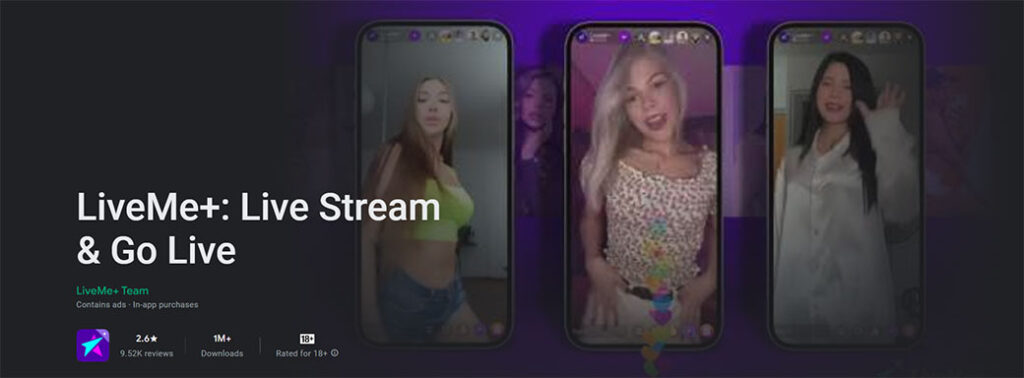
At a Glance
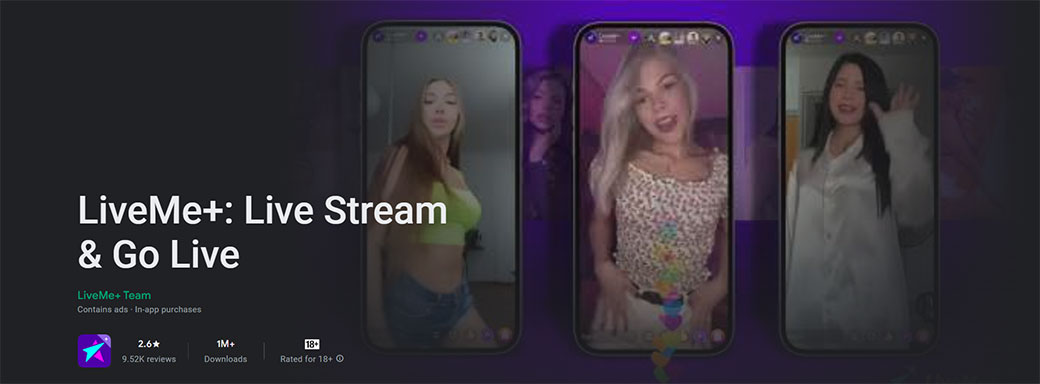
LiveMe is a mobile first live streaming and video chat app built around real time broadcasts, virtual gifting, creator discovery, and social interaction. You can watch public streams, join multi guest sessions, follow hosts, send gifts, and in some cases build income from audience support.
Here is the short version.
| Category | Verdict |
|---|---|
| Best for | Users who want live entertainment, social discovery, and creator interaction in one app |
| Core strength | Strong creator viewer engagement through gifts, rankings, and real time chat |
| Main weakness | Spending pressure rises fast if you participate heavily in gifting |
| Creator appeal | Solid for streamers who are good at consistency, audience retention, and fan engagement |
| Viewer appeal | Good if you enjoy browsing live personalities and interactive rooms |
| Safety | Mixed, with platform rules and moderation tools present but uneven in perceived effectiveness |
| Overall | Worth trying if you want a social live streaming app, less compelling if you want private first video chat |
LiveMe is not the same as a one to one video calling app. It works more like a live social entertainment platform where chat, gifts, and visibility drive the experience. That distinction matters. If your goal is public interaction and discovery, LiveMe makes sense. If your goal is direct private conversation, other apps may fit better.
Platform Overview and Key Features
LiveMe centers on live broadcasts. You open the app, see active streams, and move quickly from one room to another. The product leans hard into attention, interaction, and creator economy mechanics.
Core features you will notice first
- Public live streaming for creators and casual hosts
- Real time text chat during streams
- Virtual gifts tied to in app currency
- Multi guest lives and co hosting formats
- Creator profiles, follows, rankings, and fan relationships
- Discovery feeds for trending and recommended broadcasts
- Short form social elements layered around live content
What the platform is trying to do
LiveMe wants to keep you inside a loop. Watch a stream. Comment. Follow a host. Send a gift. Join another room. This loop is simple, and it works because the app reduces friction. You do not need a complex setup to start exploring.
For creators, the value is clear. The app gives you built in discovery and a monetization structure from day one. You are not starting from zero with no way to earn. For viewers, the draw is variety. There is almost always something live, and the social energy feels immediate.
Features that matter most in daily use
1. Stream discovery
The app does a decent job surfacing active rooms, trending personalities, and new hosts. If you like browsing and dropping into different communities, this is one of LiveMe’s better strengths.
2. Viewer interaction
The live chat moves fast in active rooms. Gifts, comments, and shoutouts create a feedback loop that keeps viewers engaged. You are not only watching. You are part of the room’s momentum.
3. Monetization mechanics
Coins, gifts, rankings, and creator rewards are central to the product. LiveMe is built to encourage spending and audience support. That is a feature for creators, but also a pressure point for viewers.
4. Social layer
Profiles, followers, and repeat interactions help turn one time viewers into regulars. This gives LiveMe more stickiness than a basic streaming app.
Where the feature set feels limited
The app is less compelling if you want deep private communication tools, advanced professional streaming controls, or a cleaner low distraction environment. LiveMe is optimized for social energy, not minimalism. If you prefer structured communities or topic based rooms with tighter filtering, you may find discovery broad but noisy.
Pricing, Gifts, Coins, and Monetization
LiveMe is free to download, but the real economy runs through coins and gifts. This is where many users decide whether the app feels fun or expensive.
How the system works
You buy coins with real money. Then you use those coins to send virtual gifts to creators during live streams. Creators receive value from those gifts through the platform’s payout structure.
That setup is standard for live streaming apps, but LiveMe places gifts near the center of the experience. Gifting is not a side feature. It is one of the main signals of support, status, and visibility.
What you should expect as a viewer
- You can watch many streams without paying
- You will see frequent prompts and social cues tied to gifting
- Top spenders often get more recognition from hosts
- Active participation gets expensive faster than many new users expect
What you should expect as a creator
- Monetization depends on audience size and loyalty
- Viewer generosity matters more than raw follower count alone
- Regular streaming and relationship building drive better results than occasional lives
- Platform fees and conversion rates affect final earnings
Value assessment
| User type | Cost outlook | Value outlook |
|---|---|---|
| Casual viewer | Low if you only watch | Good |
| Social viewer who gifts often | Medium to high | Mixed |
| Small creator | Low direct cost, high time cost | Depends on traction |
| Established creator with loyal fans | Better monetization potential | Stronger |
The biggest pricing issue
The platform economy is easy to enter and easy to overspend in. If you enjoy fan competition, rankings, and attention from hosts, your spending can rise quickly. You should go in with a clear budget.
Practical advice before spending
- Set a monthly coin limit before you buy anything
- Treat gifts as entertainment spending, not social investment
- Watch creator consistency before you support heavily
- Compare LiveMe value against apps with stronger free interaction
For many users, LiveMe feels best when used as a free browsing app first. Spend later, if the experience proves worth it.
How We Evaluate LiveMe
This LiveMe review focuses on the needs of global video chat users, not only creators or only casual viewers. That matters because the app serves both groups, and their priorities are different.
Review criteria
We evaluate LiveMe across these areas.
| Factor | Why it matters |
|---|---|
| Ease of use | A live app should feel intuitive within minutes |
| Stream quality | Lag, blur, and disconnects ruin live interaction |
| Discovery | You need to find relevant people and rooms fast |
| Community | Good interaction keeps users coming back |
| Safety | Moderation and privacy shape trust |
| Monetization | Creators need realistic earning paths |
| Cost | Viewers need to understand spend pressure |
| Global usability | Access, language diversity, and broad appeal matter |
What this review prioritizes
This review gives extra weight to the areas most tied to daily satisfaction.
- User experience during browsing and live participation
- Real quality of interaction, not feature count alone
- Safety and moderation for a public social platform
- Creator earning potential beyond marketing claims
- Overall value for both free and paying users
Scope
This is not a technical developer audit and not a narrow influencer perspective. It is a practical user review. The question is simple. If you download LiveMe today, what experience are you likely to get, and who benefits most from staying?
User Experience and Interface
LiveMe is easy to start using. That is one of its best qualities. Installation is quick, account setup is familiar, and the home feed pushes you toward live rooms right away.
What feels good
The interface is built for speed.
- Streams are easy to enter and exit
- Key actions are visible without much learning
- Profiles, follow buttons, chat, and gifting tools are where users expect them
- The app keeps the next piece of content close at hand
For new users, this creates a low barrier to entry. You do not need much patience to get moving.
What feels crowded
The same design strength also creates friction. LiveMe packs attention triggers into the screen. Chats move fast. Gifts animate. Rankings and prompts compete for focus. If you like energetic social apps, this feels lively. If you prefer a cleaner interface, it may feel cluttered.
Navigation quality
Navigation is strong enough for routine use. Most people will understand the structure quickly.
Common tasks are simple.
- Browse active streams
- Follow creators
- Send gifts
- Check profiles
- Start or join a live session
Where the experience weakens
The app can feel repetitive after long sessions. Discovery often favors activity and popularity over precision. That means your feed may feel broad instead of customized, especially early on.
Overall UX verdict
LiveMe succeeds at instant engagement. It does less well at calm, focused exploration. If your style matches the platform’s pace, the interface works. If you want more control and less noise, you may hit friction sooner.
Video Quality, Streaming Stability, and Performance
For any live streaming app, performance decides whether the rest of the product matters. LiveMe is good enough in normal conditions, but your experience depends heavily on host connection quality, device performance, and region.
Video quality
Video quality is acceptable to good on solid connections. Streams are watchable, and many rooms look fine on modern phones. High end polish is not the point here. Live interaction is.
You should expect variation.
- Strong hosts with good lighting and connection look much better
- Casual streams often look average
- Busy rooms may feel more about interaction than visual quality
Streaming stability
In typical use, stream entry is fast and room switching is smooth enough. Stability is generally serviceable for mainstream users. Still, live platforms rise and fall on consistency, and LiveMe does not always feel equally reliable across every session.
Performance concerns to watch
- Battery drain during longer sessions
- Higher data use on mobile networks
- Occasional lag in active or weaker connection environments
- Performance differences across devices and regions
For creators
If you plan to stream, your setup matters more than the app alone.
- Use strong lighting
- Stream on reliable Wi Fi when possible
- Keep background apps limited
- Test audio before going live
Bottom line on performance
LiveMe performs well enough for entertainment focused live chat. It is less ideal if your standard is polished, studio style streaming or highly stable long form broadcasts every time.
Community, Discovery, and Social Interaction
This is where LiveMe earns its place. The app understands social momentum. If you enjoy active rooms, host banter, fan culture, and quick interaction, LiveMe gives you plenty to do.
Community feel
The community experience depends on who you follow and where you spend time. Some rooms feel welcoming and energetic. Others feel transactional, especially where gifting dominates the tone.
That split is important. LiveMe works best when creators balance entertainment with genuine conversation.
Discovery strengths
- Plenty of live content at any given time
- Easy movement between rooms
- Trending and recommended streams keep the app active
- Repeat engagement helps you build a list of favorite hosts
Discovery weaknesses
- Niche interests are not always easy to filter precisely
- Popularity can crowd out smaller but better creators
- New users may need time before recommendations improve
Social interaction quality
Live chat is fast and direct. Hosts often call out viewers, respond to gifts, and encourage return visits. This creates a sense of visibility that many social platforms lack.
But there is a tradeoff. Attention often flows toward top gifters and regulars. If you are a free viewer, you may still enjoy the content, but you may not get equal engagement in busy rooms.
Best use case
LiveMe is strongest for users who want public, personality driven interaction. If you want structured interest groups or private first connection, the social model may feel shallow by comparison.
Safety, Moderation, and Privacy
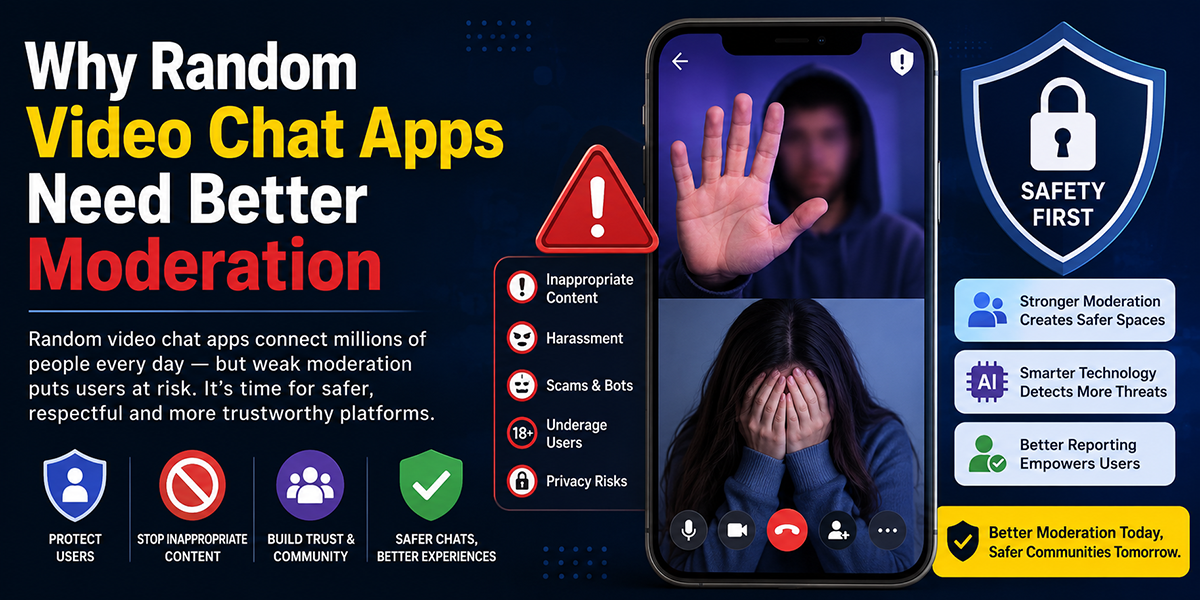
Safety is one of the biggest questions in any public live streaming app. LiveMe has rules, reporting tools, and moderation systems, but no large social platform gets this area perfect.
What users should look for
- Reporting tools for harmful or abusive behavior
- Clear community rules
- Privacy settings tied to profile visibility and interactions
- Fast action on spam, harassment, and inappropriate content
The practical reality
On a platform built around live interaction, moderation is harder than in slower formats. Content happens in real time. Chats move fast. Enforcement depends on both systems and staff response.
For that reason, your experience may vary widely by room.
Risk areas
- Public exposure in fast moving live environments
- Social pressure tied to gifting and attention
- Variable room quality across creators
- Uneven user behavior in large open communities
Privacy considerations
You should treat LiveMe as a public social platform first.
- Share little personal information
- Keep usernames and profile details limited if privacy matters to you
- Be careful with direct off platform contact
- Review permissions and settings before heavy use
Safety verdict
LiveMe is usable, but caution is part of the package. If privacy and tight moderation are your top priorities, you may prefer a smaller or more private communication app.
Earning Potential for Creators
For creators, LiveMe offers a real path to earnings, but not an easy one. Income depends on retention, audience loyalty, stream frequency, and your ability to turn passive viewers into active supporters.
How creators make money
The main path is virtual gifting. Viewers buy coins, send gifts, and creators receive a share based on platform rules and payout terms.
What helps creators earn more
- Consistent streaming schedule
- Strong audience interaction
- Memorable on camera presence
- Community building with repeat viewers
- Clear reasons for fans to support you
What holds creators back
- Small audiences with low gifting behavior
- Irregular streaming habits
- High competition from established hosts
- Dependence on a few large spenders
Creator reality check
Most creators will not earn meaningful income quickly. The app rewards consistency and social skill more than simple presence. Going live is easy. Building a paying audience is hard.
Who has the best shot
Creators who do well on LiveMe often share a few traits.
- They stream often
- They keep rooms active
- They remember regular viewers
- They create moments people want to respond to
Is LiveMe worth it for creators
Yes, if you treat it like a performance and community platform, not a passive income channel. No, if you want predictable revenue without audience work.
Pros and Cons
Here is the balanced view of this LiveMe review.
Pros
- Easy to start using
- Strong live social energy
- Good creator viewer interaction tools
- Built in monetization for streamers
- Active discovery flow with plenty of live content
- Suitable for global users who enjoy public live rooms
Cons
- Gifting economy can get expensive fast
- Interface may feel crowded
- Attention often favors top spenders
- Safety and moderation require user caution
- Less suitable for private first video chat
- Discovery is active, but not always precise
Quick takeaway
LiveMe is strongest as a social live entertainment app. It is weaker as a pure communication app or low cost community platform.
LiveMe vs. Other Live Streaming and Video Chat Apps
LiveMe sits between live entertainment and social chat. To judge the app fairly, you need to compare it with platforms built for different goals.
| Platform type | Where LiveMe wins | Where LiveMe loses |
|---|---|---|
| Public live streaming apps | Strong social interaction and gifting loop | Less polished for premium production use |
| Private video chat apps | Better discovery and audience building | Weaker privacy and one to one focus |
| Creator monetization platforms | Accessible entry for new streamers | Revenue predictability is limited |
| Community chat platforms | More real time energy | Less structured and topic focused |
Compared with creator first live platforms
LiveMe is easier to enter and socially active, but serious creators may prefer platforms with broader brand tools, stronger analytics, or more stable long form audience development.
Compared with private video chat apps
LiveMe offers more entertainment and public discovery. It offers less privacy, less intention, and less control over who you meet.
Compared with social entertainment apps
This is where LiveMe is most competitive. If your goal is quick access to live personalities and audience participation, it still holds up well.
The core question is simple. Do you want to perform and participate in public, or do you want private connection and cleaner communication? LiveMe is built for the first group.
Best Alternatives for Different User Needs
If LiveMe does not fit your style, the best alternative depends on what you want most.
| Your priority | Better alternative type | Why |
|---|---|---|
| Private one to one video chat | Private calling or match based chat apps | More direct connection and better privacy |
| Professional live streaming | Creator focused streaming platforms | Better production and audience tools |
| Tight communities | Community based chat apps | Stronger structure and topic control |
| Casual entertainment browsing | Short video and live social apps | Easier content consumption |
| Lower spending pressure | Apps with weaker gifting emphasis | Less monetization push |
Choose an alternative if you want
- More privacy than public live rooms offer
- Better search and niche community filtering
- Stronger creator analytics and business tools
- A calmer interface with fewer spending prompts
Stay with LiveMe if you want
- Fast public interaction
- Creator fan dynamics
- Easy live room discovery
- A social app where attention moves in real time
Who Should Use LiveMe?
LiveMe is a better fit for some users than others.
You should try LiveMe if you
- Enjoy public live streaming and fast moving chat
- Like interacting with creators in real time
- Want an app with built in gifting and fan culture
- Prefer browsing personalities over making private calls
- Are a creator willing to stream consistently
You should skip LiveMe if you
- Want private first video chat
- Dislike spending prompts and gift driven attention
- Prefer calm interfaces and slower communities
- Need tight moderation and strong privacy controls
- Want predictable creator income from the start
Best fit summary
LiveMe suits socially active users who enjoy live entertainment and visible interaction. It is not the best match for people who want low pressure conversation or private communication first.
Final Verdict
LiveMe remains a relevant live streaming app in 2026 because it understands engagement. You can enter quickly, find active rooms, interact in real time, and support creators without much friction. For viewers who like public social energy, that is the appeal. For creators who know how to keep attention, that is the opportunity.
The tradeoff is clear. LiveMe works best when you accept its economy and pace. Gifts matter. Visibility often follows spending. Safety requires awareness. And the interface favors stimulation over simplicity.
So, is LiveMe worth it? Yes, for global users who want a public live streaming and video chat app with strong interaction and creator culture. No, if your priority is private communication, lower spending pressure, or a quieter user experience.
If you try LiveMe, start free. Explore the rooms. Watch how creators engage. Then decide whether the app has earned your time, your attention, and your money.
LiveMe Frequently Asked Questions
What is LiveMe and what makes it unique?
LiveMe is a mobile-first live streaming and video chat app that combines real-time broadcasts, virtual gifting, creator discovery, and social interaction, creating a dynamic social entertainment platform for both creators and viewers.
How does the monetization system work on LiveMe for creators?
Creators earn money on LiveMe mainly through virtual gifting, where viewers buy coins with real money and send gifts during live streams. Income depends on audience size, loyalty, and consistent streaming, with earnings influenced by platform fees and viewer generosity.
Is LiveMe suitable for private one-on-one video calls?
No, LiveMe focuses on public live streaming and social interaction rather than private one-to-one video chat. If you want private communication, other apps specialized in direct video calling might be a better fit.
How does LiveMe handle safety and moderation on the platform?
LiveMe has community rules, reporting tools, and moderation systems, but real-time interactions make enforcement challenging. User experiences with safety can vary, so users should exercise caution, limit personal information, and use privacy settings wisely.
Can viewers use LiveMe for free, and what costs should they expect?
Users can watch many streams on LiveMe for free; however, gifting requires purchasing coins with real money. Frequent gifting can lead to high spending, so viewers should set budgets and treat gifts as entertainment expenses rather than social investments.
What kind of user is LiveMe best suited for?
LiveMe is ideal for socially active users who enjoy public live entertainment, fast interactions, and creator engagement. It’s less suitable for those seeking private communication, minimal spending pressure, or quiet, tightly managed communities.

Tony is a website publisher and technology reviewer who specializes in video chat platforms, random chat apps, and online communication tools. He tests apps for usability, safety features, moderation quality, pricing, and overall user experience. His reviews are based on hands-on testing and independent research.